October 23, 2026
Hardwood floors are a popular choice for many due to their timeless beauty and durability. Recognizing the factors that distinguish genuine hardwood from imitators is crucial for both aesthetic and long-term satisfaction. The process of selecting the right hardwood from local flooring companies involves a careful evaluation of material origin, manufacturing, visual appeal, installation, performance, and cost considerations. Let's delve into the characteristics that differentiate high-quality hardwood floors from their look-alike counterparts, ensuring you make informed decisions.
Material Origin and Species
The origin and species of hardwood play a pivotal role in determining the quality of the flooring offered by local flooring companies. Different regions produce wood with varying characteristics due to climate and soil conditions. High-quality hardwood often comes from renowned sources known for sustainable and responsible forestry practices. The specific species of wood, whether oak, cherry, bamboo, or others, brings unique properties to the flooring, affecting color, grain patterns, and durability. Choosing a reputable source ensures that the wood has been harvested responsibly, minimizing environmental impact.
Common hardwood species available include oak, maple, and walnut, each with properties that affect performance and aesthetics. Oak, for example, is highly durable and has a versatile grain pattern suited to various finishes. Maple offers a light color and smooth texture, while walnut provides a rich, dark appearance with a beautiful grain. Exotic species, such as teak, are valued for their unique look and high resistance to moisture but often come at a higher cost. Understanding these differences helps you choose the best wood for your needs and desired look.
Manufacturing Process
The manufacturing process of hardwood flooring is crucial to its final quality and performance. Kiln-drying is a popular technique that accelerates the natural drying process, reducing moisture content for enhanced dimensional stability. Compared to air-drying, kiln-drying is more controlled, preventing warping and splitting of wood. Precision in milling is essential to ensure uniformity in plank dimensions, which subsequently aids in seamless installation. High-quality hardwood floors undergo rigorous quality control to detect imperfections early and maintain production standards.
Surface treatments, including sanding and sealing, play a crucial role in the durability of the flooring. Effective treatments protect against daily wear and tear, preserving the wood's natural beauty. Sealants and finishes can range from oil-based to water-based, each offering different levels of protection and sheen. An essential aspect of the manufacturing process is also selecting finishes that enhance longevity while maintaining aesthetic appeal. Regular quality inspections ensure each plank meets the required standards before reaching consumers.
Visual and Tactile Attributes
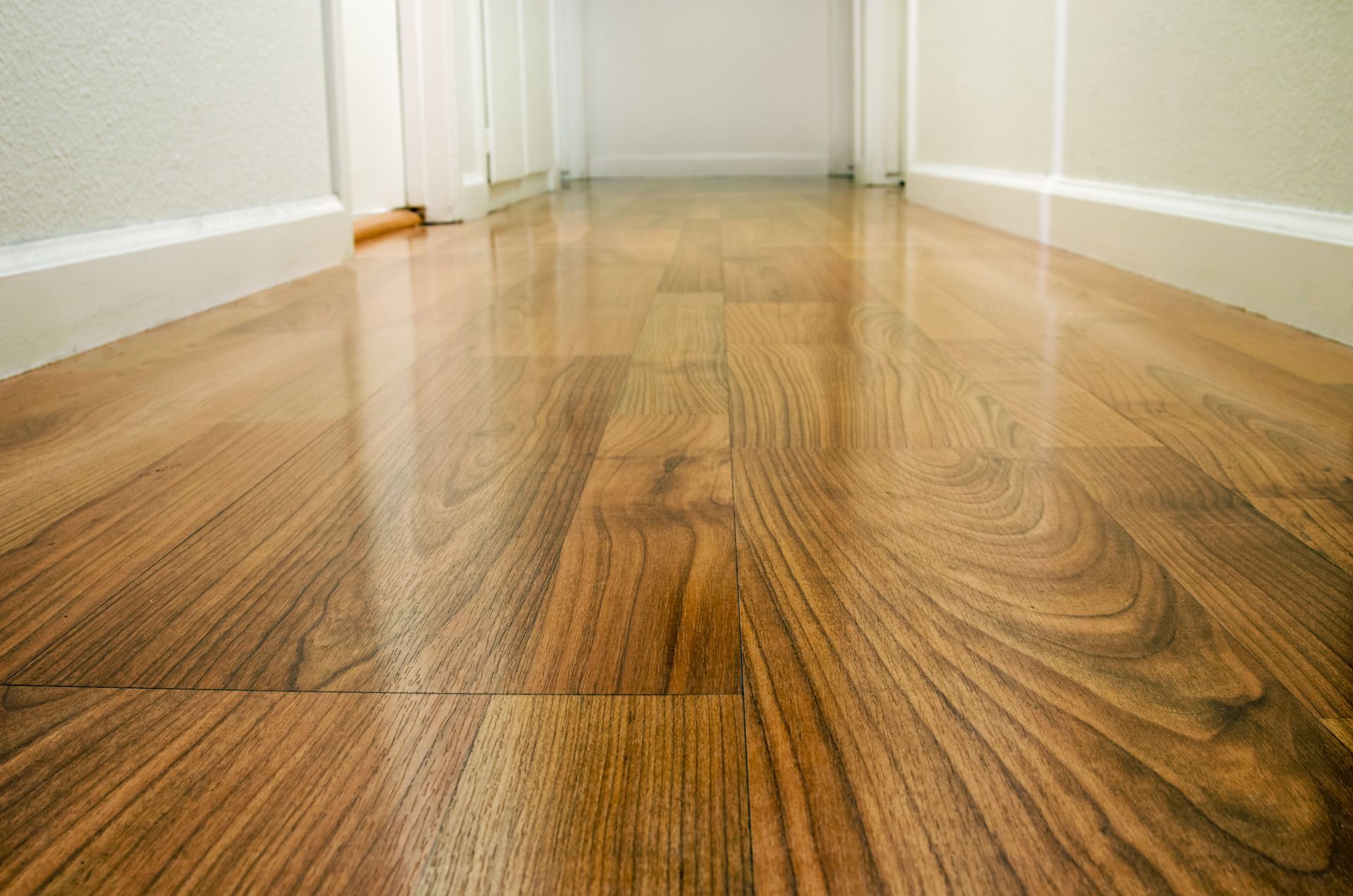
Authentic wood texture and feel are highly desirable attributes that look-alike products often fail to replicate. The tactile sensation of genuine hardwood is distinct, with subtle variations in grain and surface texture that add character. These natural imperfections are what give hardwood its unique appeal, distinguishing it from synthetic alternatives. Further, high-quality hardwood offered by reliable flooring companies has a particular weight and density, contributing to its solid and premium feel underfoot. The authenticity of texture not only enhances aesthetic value but also imparts a sense of warmth and coziness to the space.
Color variation and consistency are also important determinants of hardwood quality. Genuine wood displays a range of hues, often with gradual fade or sun-kissed streaks exclusive to natural wood. This creates a unique tapestry across the room, whereas look-alike flooring may present a monotonous, too-consistent appearance. Quality flooring manufacturers ensure that the natural color spectrum of the wood is preserved during production. While some consumers may prefer this uniformity, those seeking an authentic wood experience value the charm of slight tonal variations.
Natural luster and sheen are not to be overlooked when evaluating hardwood. High-quality wood emanates a soft glow, or patina, that matte-finish alternatives cannot achieve. This natural shine is a result of intrinsic wood qualities and specific finishes applied during manufacturing. Edge profiles also contribute to the overall aesthetic, with options ranging from beveled to square edges, each providing a different visual effect and installation fit. Some prefer pronounced edges for more definition between planks, while others opt for smooth transitions that mimic continuous wood surfaces.
Installation Techniques
Installation methods implemented by professional flooring companies significantly influence both the appearance and durability of hardwood flooring. Nail-down, glue-down, and floating installations offer various benefits and challenges. Nail-down involves attaching planks directly to a subfloor, which provides a traditional look and excellent stability. Glue-down requires adhesive, offering sound insulation and suitability for radiant heating systems. Floating installations click planks together without attachment to a subfloor, providing flexibility and ease of repair but needing careful preparation for optimal results.
Subfloor preparation is paramount, as improperly prepared bases can lead to issues like uneven surfaces or increased moisture absorption. Ensuring a flat, clean, and dry subfloor promotes better adherence and reduces the risk of future problems, such as cupping or crowning. Expansion gaps are essential for accommodating natural wood movement due to temperature and humidity changes. Without these gaps, the flooring may warp or separate over time, especially in regions with significant climate variations. Understanding these technical elements can guide consumers in choosing the most appropriate installation method and executing it successfully.
Professional installation versus DIY is another consideration affecting the final outcome of any hardwood flooring project. While a DIY attempt might be cost-effective, hiring experienced installers often guarantees a perfected finish and peace of mind. Professional flooring companies bring expertise, precision tools, and the knowledge to navigate complex installations effectively. They also provide warranties for their work, offering protection against future issues or defects. When considering the total cost, investing in professional installation can lead to long-term savings by minimizing upkeep and repair needs.
Performance and Durability
Performance and durability are chief concerns for prospective hardwood floor buyers. Resistance to scratches and dents is a function of both the wood species and the finish applied during manufacturing. Hardwoods like hickory and oak are renowned for their toughness and ability to withstand heavy foot traffic. Additionally, the use of durable finishes can minimize damage from daily wear and tear and make maintenance more manageable. A key advantage of high-quality hardwood is its ability to be sanded and refinished multiple times, prolonging its aesthetic and functional life.
Moisture control is critical to maintaining hardwood integrity, as excess moisture can lead to problems like warping or expansion. Proper installation and the application of suitable sealants and finishes can provide layers of protection against moisture intrusion. Humidity levels should be managed within the environment to prevent any adverse effects over time. Another critical factor is the wear layer's thickness, which directly influences its durability and the floor's capability to be refinished. More substantial wear layers extend a floor's service life and offer greater flexibility regarding refinishing options.
Exposure to UV light can impact the appearance of hardwood over time, causing fading or darkening. Employing UV-resistant finishes can mitigate these effects, maintaining the floor's original color and beauty. Hardwood flooring, when selected based on quality, can significantly increase a home's value; according to Fixr, it can boost property value by 3% to 5%. This underscores the importance of performance from a long-term investment perspective. Furthermore, implementing a comprehensive maintenance routine, including regular cleaning and timely repairs, ensures that the flooring remains in top condition, supporting its longevity and value addition to the property.
In selecting hardwood flooring from local flooring companies, recognizing the elements that signify high quality versus look-alike flooring is crucial for achieving the desired aesthetic and functional results. A thorough understanding of these factors enables you to make informed decisions, ensuring satisfaction and value for years to come. To learn more, reach out to the experts at Lange Flooring Center today.